Guitar setup and optimization work has always been central to what I do at Marfione Guitars. Every guitar that leaves my shop includes a professional setup, tailored to the player and the instrument. I’ve been performing setups for as long as I’ve been in business, and I still treat each one as a collaboration between me, the guitar, and the player who’ll make music on it.
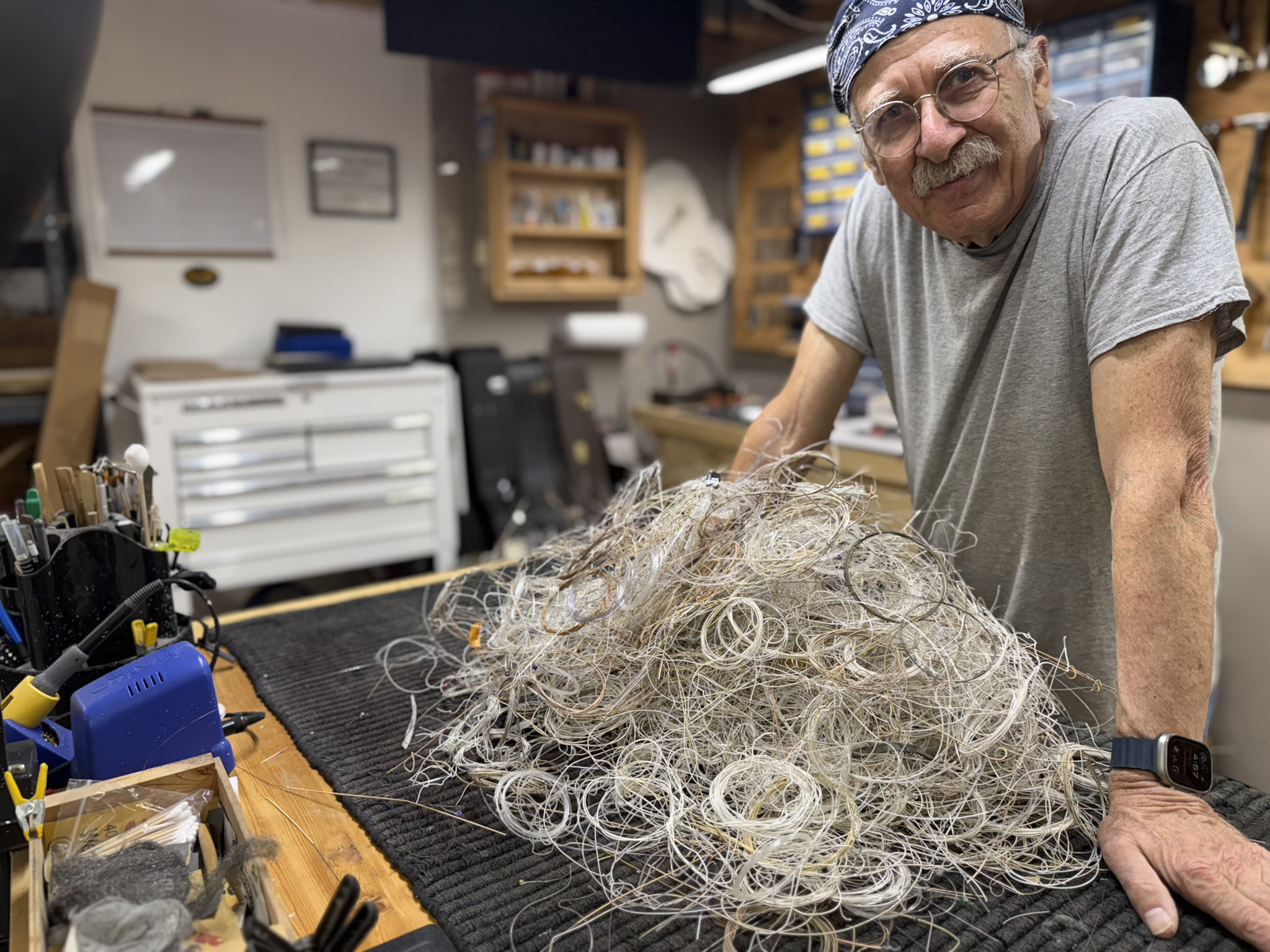
Back in 2018, I started saving the strings from nearly every setup—a quiet ritual that started out as a lark quickly became a personal record of my work. I remember when the box was empty; now it’s overflowing. If I’d started this practice from day one, I’d probably have twice as many sets in there. Needless to say, I’ve performed a lot of setups—and I’d be happy to do one on your guitar, whether it’s a nylon-string or steel-string instrument.
Optimizing a guitar can be as simple or as intricate as the instrument demands. Sometimes it’s a quick adjustment to a saddle or nut; other times it’s the full treatment—nut, saddle, frets, and truss rod—to bring everything into alignment. Because every guitar (and every player) is different, my setups typically range from $135 to $235.
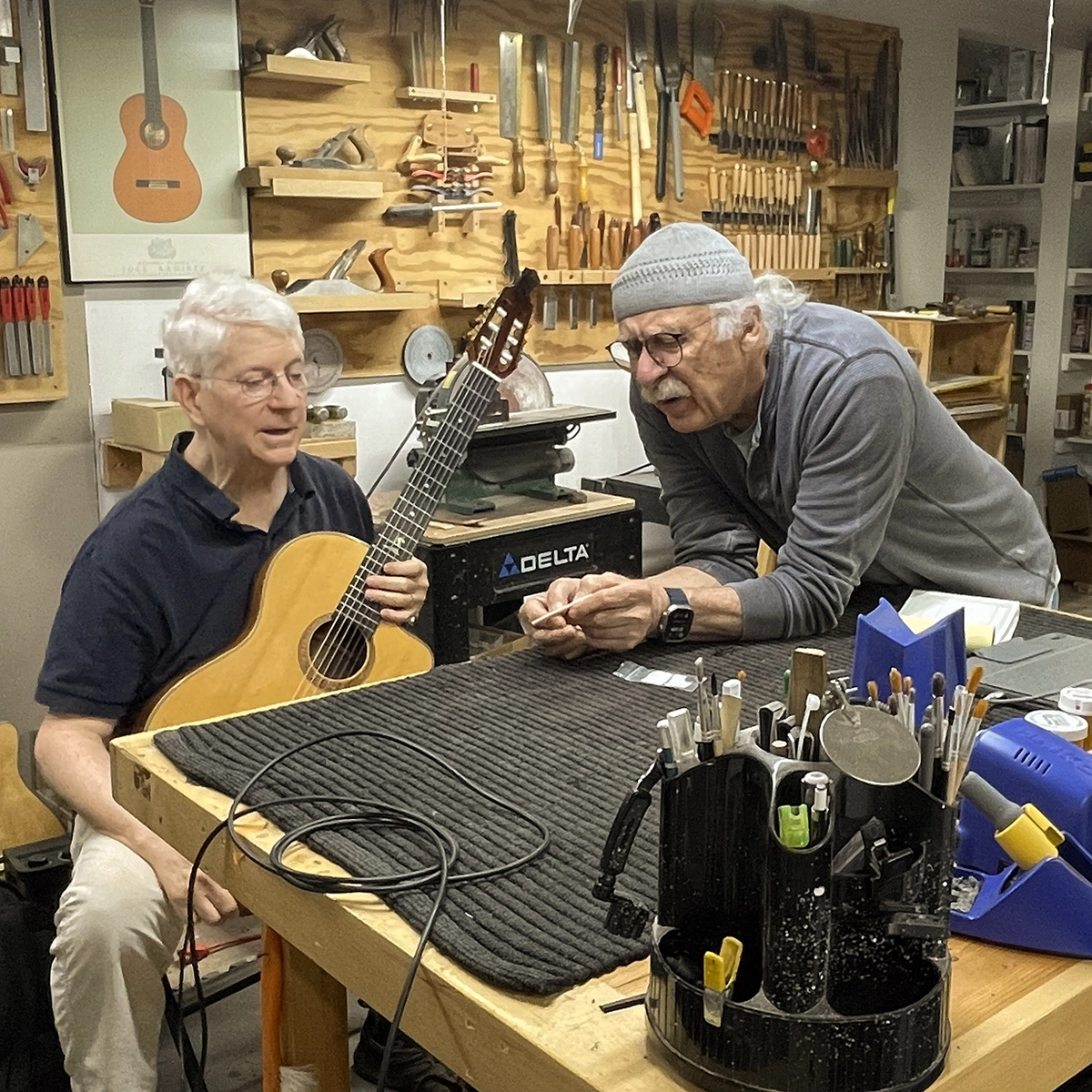
Before I begin, I spend time with each player—usually a half hour to an hour—discussing their playing style, tone goals, and setup preferences. That personal approach is something many customers mention. Will told me that buying a guitar from me felt “like taking a trip back in time to when folks really cared about their customers,” noting the phone conversations, proactive updates, and the detailed setup letter that accompanied his instrument.
For professional players, the difference a well-executed setup makes can be dramatic. Allen needed a guitar that could handle “straight-up classical gigs, flamenco, and pit work.” After I set up his Cordoba GK Pro Negra and dialed in its pickup system, he wrote that the instrument “doesn’t buzz even when I lean into it—it’s a joy to play, especially plugged in,” with “extremely natural” amplified tone and excellent string separation.
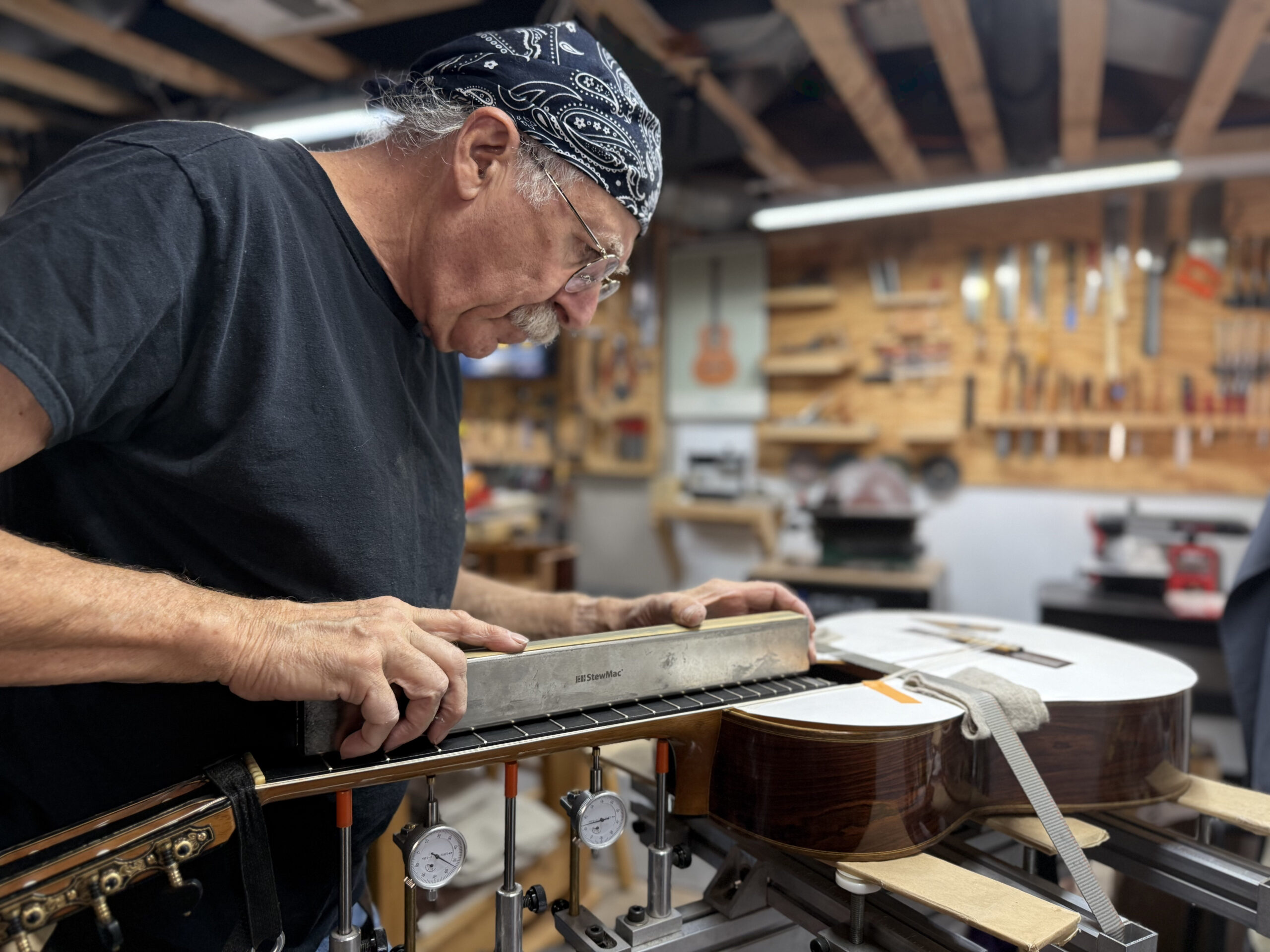
Others echo similar sentiments. Todd described his setup as “spot-on” and the kind that “took some work and experience to get right.” Terri was surprised by what a true luthier setup can do, saying that having the guitar perfected before delivery—plus the written report of adjustments and tolerances, followed by a call to review—made the experience exceptional. And Griff summed it up by noting how his factory-built guitar now “plays beautifully, with much more precision than any nylon-string I’ve owned before,” praising the sound port and overall feel.
A good setup is about more than lowering the action or making a guitar feel easier to play. It’s about bringing the instrument into balance so that it responds cleanly, comfortably, and predictably under the hands.
Sometimes that means addressing one obvious issue. Other times it means looking at the neck, saddle, frets, relief, and playing style together so the instrument works as a complete system.
If your guitar feels stiff, uneven, noisy, or simply not as comfortable as it should, I’m always glad to talk through the instrument and help determine what kind of setup work may improve it.
Reach out and tell me a little about the guitar and how it’s currently feeling under your hands.