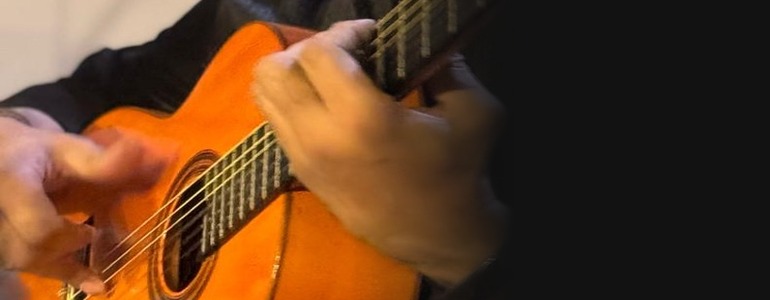
Chuck Marfione with insights from professional flamenco guitarist Wael Khedr
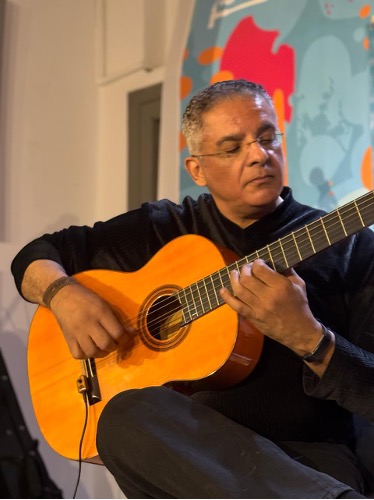
Buying a flamenco guitar can feel exciting and confusing at the same time. The first time I picked one up, it felt different—more alive and more reactive—but I couldn’t explain why. Over time, however, I realized that flamenco guitars vary widely in feel and personality, unlike classical guitars that follow a more uniform standard.
To explore what makes them unique, I spoke with friend and colleague Wael Khedr, an Egyptian-born flamenco guitarist who has performed across Europe, North Africa, and the United States. Because he’s lived with these instruments on stage, his insight into playability, tone, and response offers practical guidance for players at any stage.
Together, we created this flamenco guitar buying guide to help you choose an instrument that fits your hands, your technique, and your musical voice. You can explore available models on my Flamenco Guitars page, or contact me here for one-on-one guidance.
Chuck Marfione: What truly defines a flamenco guitar—beyond its looks?
Wael Khedr: A flamenco guitar is defined by feel as much as sound. It is built for speed, precision, and spontaneity. As a result, the lighter construction, thinner top, and lower action allow the guitar to respond instantly to your touch.
Unlike classical guitars that emphasize sustain and balance, flamenco guitars are designed for clarity and rhythm. Therefore, this fast response supports the percussive techniques central to the style.
A good flamenco guitar becomes part of you. It answers your touch instantly, with no delay or resistance.
Chuck Marfione: How does wood selection influence the sound and personality of a flamenco guitar?
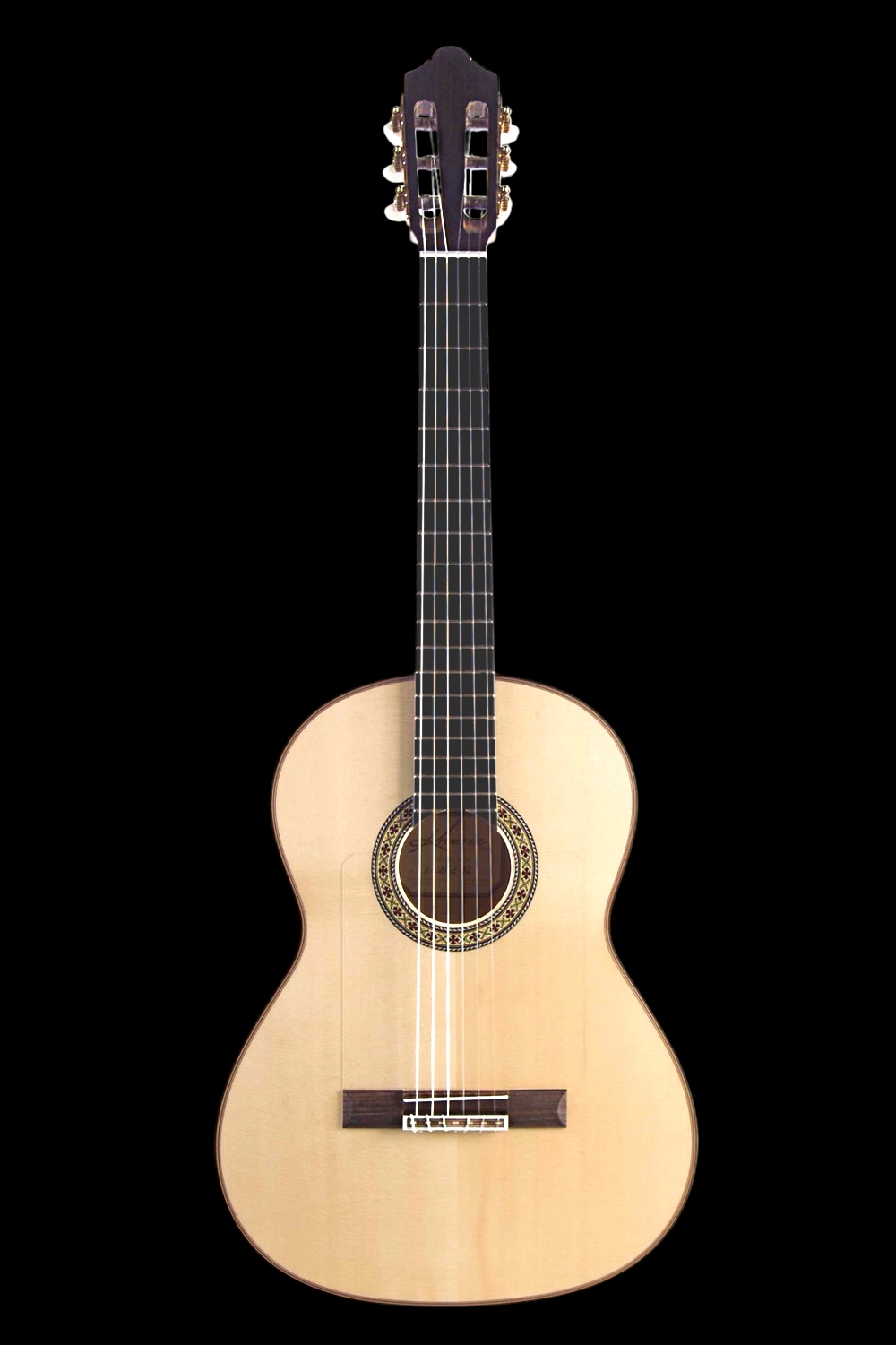
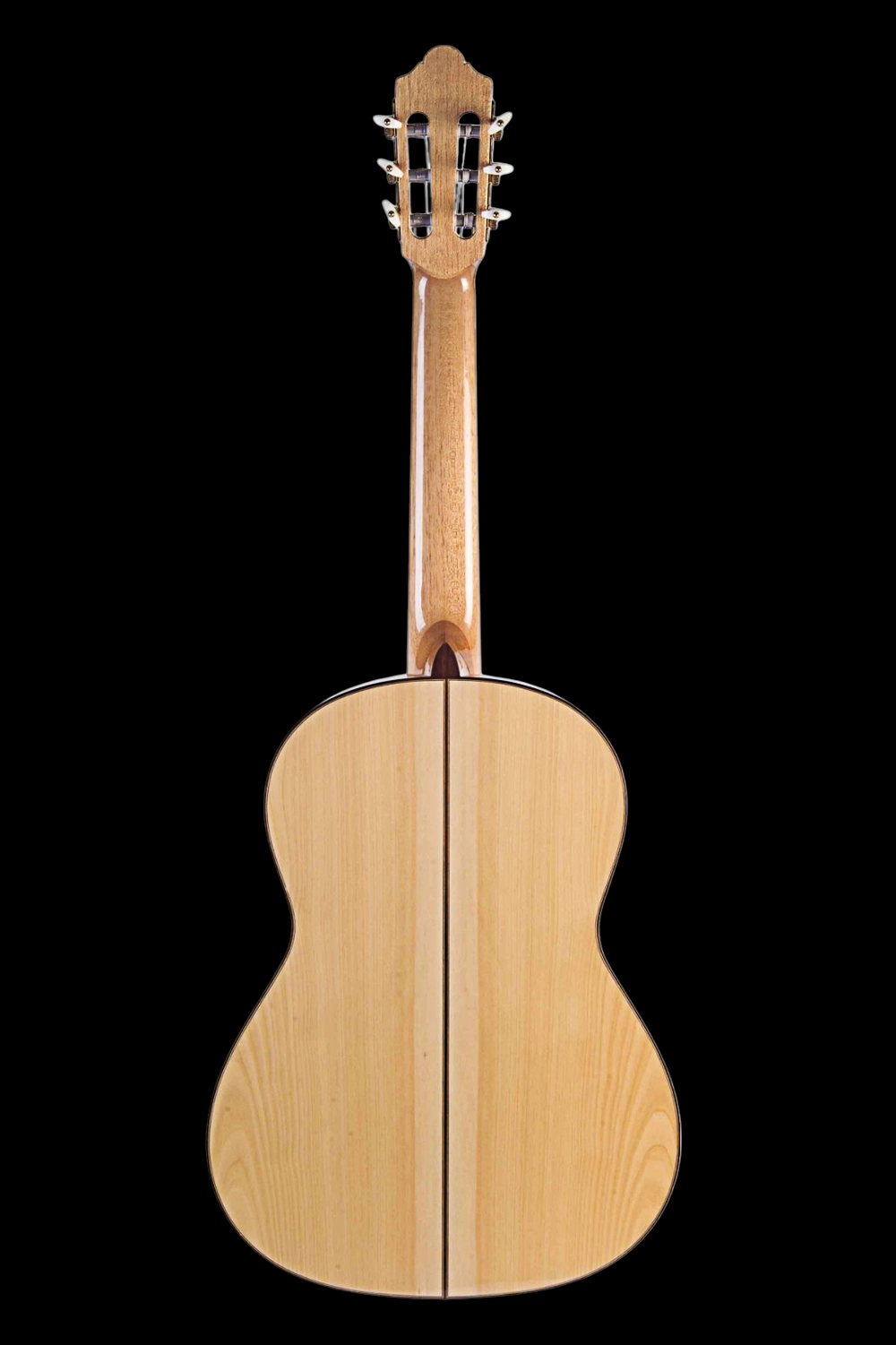
Wael Khedr: Wood choice shapes both tone and response. Cypress, used on a blanca, produces the dry, crisp sound flamenco is known for. Moreover, it feels light, quick, and direct.
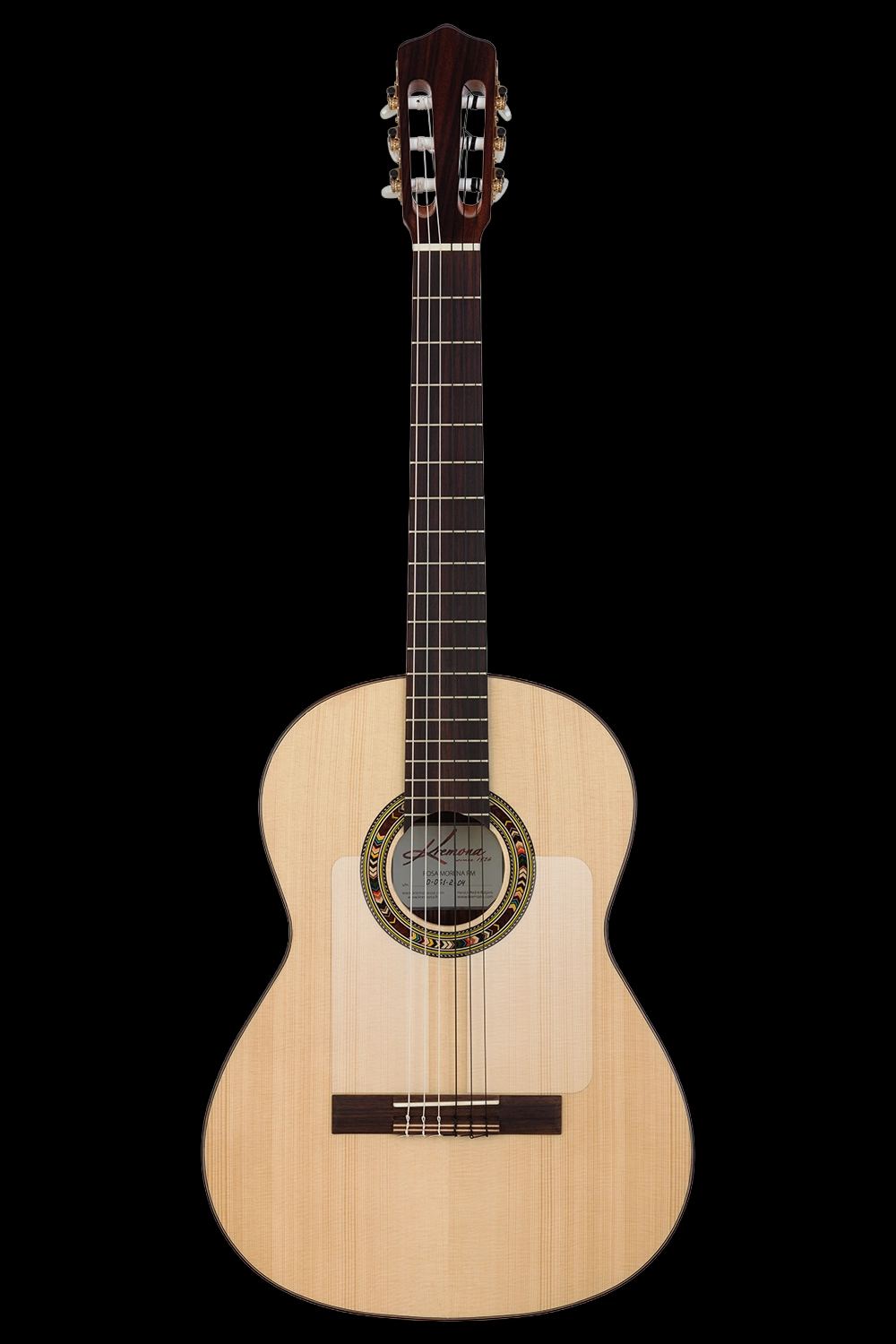
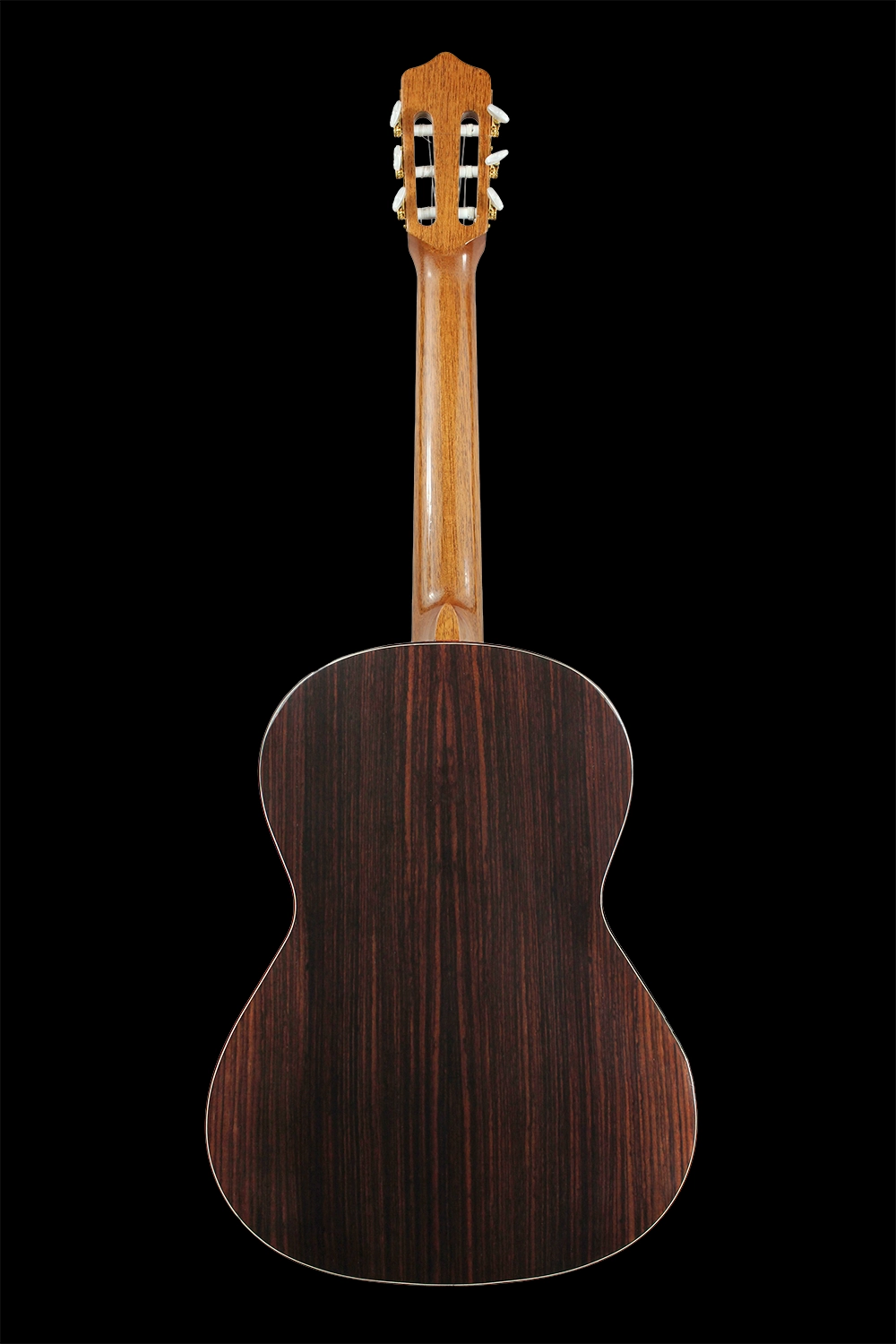
A negra, often built with rosewood or ziricote, adds warmth and sustain while keeping the fast response flamenco players expect. In other words, these guitars feel slightly heavier but offer a wider tonal range.
Because each wood combination reacts differently, choosing the right guitar depends as much on feel as on sound.
Flamenco guitars are traditionally built in two primary forms. Flamenco blancas are prized for their dry, immediate attack, while flamenco negras offer added depth and sustain. This comparison helps you decide which guitar best supports your music.
Chuck Marfione: What should players pay attention to when testing action and setup?
Wael Khedr: Action and setup determine how easily the guitar plays. Flamenco guitars usually have low action, which supports speed and sharp articulation.
However, the right setup is personal. What feels perfect to one player may feel limiting to another.
In contrast, classical guitars tend to stay within a narrower setup range. That consistency leaves less room for adjustment.
Chuck Marfione: How do strings, tension, and setup changes influence tone and playability?
Wael Khedr: String choice has a big impact on feel. Many flamenco players prefer low to medium tension strings because they respond quickly and reduce fatigue.
Higher tension strings add power but can limit expression and cause strain. As a result, small adjustments to strings or setup can transform a guitar.
Ultimately, the perfect feel is personal. Your hands recognize it immediately.
For a deeper look at how string gauge and tuning affect string tension, D’Addario offers a helpful overview.
Chuck Marfione: What role does “feel” play in flamenco guitar performance?
Wael Khedr: Feel is everything. Flamenco is physical, so the guitar must respond like part of your body.
When the feel is right, technique becomes easier and the music flows naturally.
Chuck Marfione: What advice would you give someone buying their first flamenco guitar?
Wael Khedr: Let your hands decide. Focus on how the guitar responds, not how it looks. If it feels effortless, it is the right one.
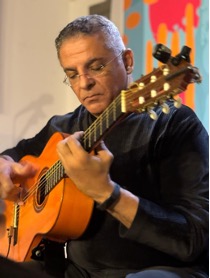
A flamenco guitar is more than an instrument. Instead, it is a tool for expression that must move with the player. When the connection feels right, the guitar becomes a voice.
Whether you prefer the dry immediacy of a blanca or the added depth of a negra, the best guitar is the one that inspires you to play and grow.
Wael Khedr is the composer and guitarist behind Flamenca Cairo. His work blends flamenco with Middle Eastern traditions and reflects an international performance career. Listen to his music on
Soundcloud.
If you have questions or want help choosing the right flamenco guitar, feel free to reach out for a
personal consultation.